Evolution of Symbioses
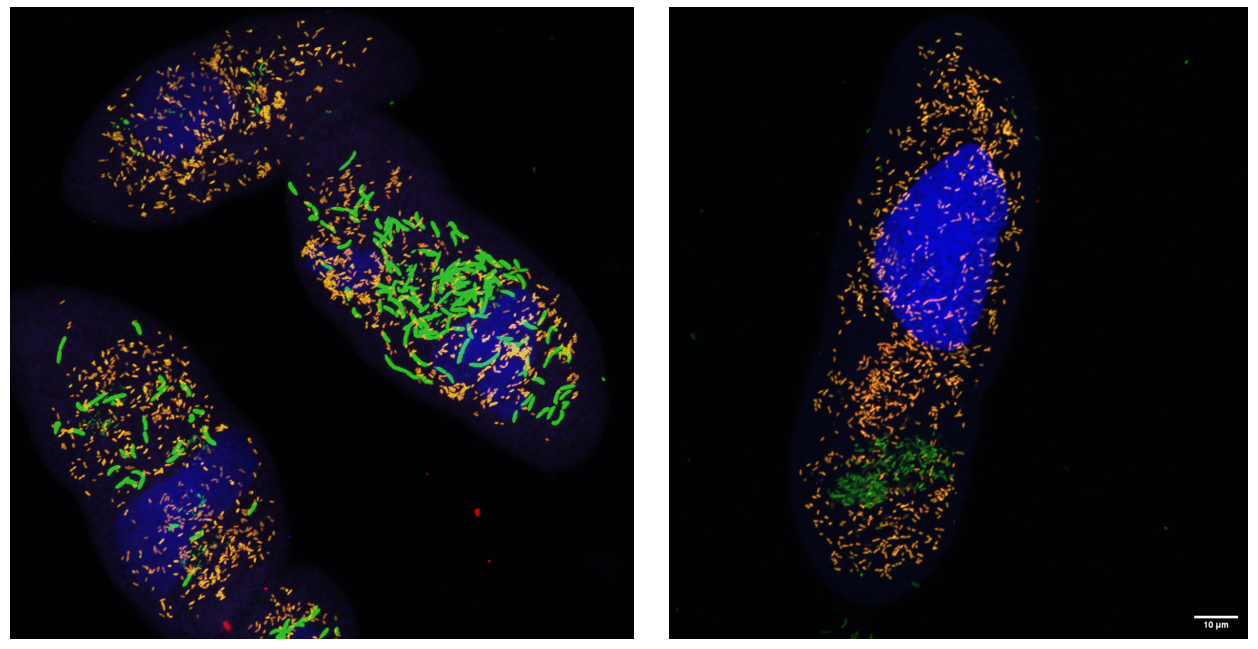
In an attempt to understand how microbial mutualisms evolve, we are studying a series of novel systems in which the ciliated protozoan Paramecium is inhabiting by different endosymbiotic that kill non-carriers. The system involves a toxin-antitoxin system and the production of a cellular inclusion called an R body that converts into a microneedle when exposed to low pH in food vacuoles, killing the victims by a variety of mechanisms including paralysis, blister development, and uncontrollable spinning. Through genomic, transcriptomic, and proteomic analysis of both the host cells and its bacterial inhabitants, we learning about the mechanisms of toxicity and the degree to which they coevolve with host species, as well as the mechanisms of immunity in cells that are incapable of sustaining the bacteria. Additional work is also revealing the context in which the killer bacteria serve as beneficial mutualists vs. deleterious parasites in their carriers. In parallel, general theory for the evolution of symbioses is being developed, including that for “addictive symbiosis,” wherein both members are codependent but neither gains anything energetically.